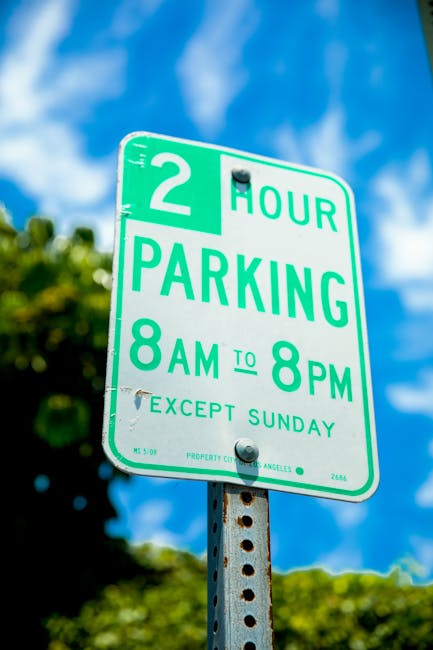
What to know about Barnet Council parking rules for Finchley removals
Moving house in Finchley is already a juggling act. Boxes everywhere, keys to hand, children asking where the kettle has gone, and a van that needs to stop somewhere sensible without causing chaos. That is exactly why what to know about Barnet Council parking rules for Finchley removals matters before moving day, not halfway through it.
Parking on a busy North London street sounds simple until you meet narrow roads, permit bays, yellow lines, loading restrictions, suspensions, and the very real possibility of a frustrated neighbour leaning out of a window at 8:15am. The good news? With a little planning, you can make the process far smoother. This guide explains how parking and access usually work for removals in Finchley, what to check with Barnet Council, what can go wrong, and how to keep your move calm and compliant.
For many households, the best results come from combining local parking planning with a properly organised move service such as man with van support or a larger vehicle option like moving truck hire. If you are packing at the same time, a little help from packing and unpacking services can also take pressure off the clock. Truth be told, moving day is busy enough without parking drama on top.
Table of Contents
- Why Barnet Council parking rules matter for Finchley removals
- How parking rules usually work during a removal
- Key benefits of planning parking properly
- Who needs this guidance and when it makes sense
- Step-by-step guidance for move-day parking
- Expert tips for a smoother Finchley move
- Common mistakes to avoid
- Tools, resources and recommendations
- Law, compliance and best practice
- Parking options compared
- Real-world example
- Practical checklist
- Conclusion
- Frequently asked questions
Why Barnet Council parking rules matter for Finchley removals
Finchley is one of those places where access can be perfectly fine on one street and awkward just around the corner. A removal van may need space to load furniture, appliances, and boxes without blocking traffic or sitting in the wrong bay. Barnet Council parking rules matter because they shape where a van can legally stop, for how long, and under what conditions.
That matters for three reasons. First, there is the practical side: if the vehicle cannot park close enough, your move slows down and the crew spends more time carrying items. Second, there is the financial side: a penalty or clamp risk can turn a manageable move into an expensive one. Third, there is the stress factor. Nobody wants to be arguing about bay markings while the sofa is balanced on a pavement and the front door is open.
In our experience, the biggest issues usually come from assumptions. People assume they can "just stop outside for a bit". Sometimes they can. Sometimes they really cannot. It depends on the street layout, signs, bay type, and whether any temporary restrictions or roadworks are in place. That is why a bit of preparation goes a long way.
Expert summary: For Finchley removals, parking is not a side detail. It is part of the move plan. Check the street, understand the restriction type, and leave room for loading, timing, and a backup option if the first spot is unavailable.
How Barnet Council parking rules usually work during a removal
Parking rules in Barnet generally depend on the location and the type of restriction posted on the street. For removals, the key question is not just "can a van stop here?" but "can it stop here long enough to load safely and without breaking any restriction?" That is a very different thing.
Here is the plain-English version. A street may have resident permit bays, pay-and-display bays, shared-use bays, single or double yellow lines, loading restrictions, or time-limited stopping allowances. Some areas may also have controlled parking zones, which means restrictions apply during set hours and are shown by roadside signs. A moving van may be allowed to load, but only if the activity is genuine, continuous, and done within the rules. Standing around with the kettle on and no boxes moving is not the sort of "loading" anyone wants to rely on.
For Finchley removals, the most useful habit is to treat parking and access as part of the pre-move survey. Look at the road outside both the old and new property. Measure the available space. Notice whether there are trees, corners, dropped kerbs, speed bumps, or narrow passing points. Sounds obvious, but people miss these things all the time when they are focused on the inventory list and the last-minute search for bubble wrap.
What you should check before the van arrives
- The restriction type on both streets.
- Any signs that mention loading, waiting, or time limits.
- Whether parking is permit-only or shared with visitors.
- Whether the van will need to stop on a yellow line or in a loading bay.
- Whether there is room to open doors, ramp items, or move trolleys safely.
- Whether the road is likely to be busy at your chosen time.
If you are moving a lot of furniture or bulky items, the size of the vehicle matters too. A larger vehicle from removal truck hire may reduce the number of trips, but it also needs more access space. Sometimes a smaller vehicle is actually the smarter choice in a tight Finchley street. Not glamorous, but effective.
Key benefits and practical advantages
Getting parking right does more than avoid a ticket. It improves the whole rhythm of the move. Once the vehicle can park properly, the loading team moves steadily, items stay safer, and the day feels less like a scramble. That sounds small. It is not small at all.
The main benefits include:
- Faster loading and unloading because the vehicle can stay close to the entrance.
- Lower risk of fines or disputes over where the van can stop.
- Better protection for furniture since items travel a shorter distance from door to vehicle.
- Less disruption for neighbours and passing traffic.
- More predictable timings on a day that is already busy enough.
There is also a quieter benefit: confidence. When you know the parking plan, you stop worrying about the van arriving and finding nowhere legal to sit. That breathing room matters. You will notice the whole move feels less chaotic.
If you are relocating a workplace or a larger household, parking planning often becomes even more valuable. A move involving filing cabinets, office equipment, or multiple rooms can take longer than expected. In those cases, office relocation services or commercial moves can help you think through timing, access, and vehicle positioning before the first box is lifted.
Who this is for and when it makes sense
This guidance is useful for almost anyone moving in Finchley, but it is especially important if your street is tight, your property is on a main road, or you are moving during peak hours. If there is one thing local removals teach you, it is that no two streets behave the same way. A lovely quiet cul-de-sac one minute, a delivery bottleneck the next.
It makes sense to plan ahead if you are:
- moving from a flat with limited access or no driveway;
- moving into a controlled parking zone;
- using a larger van or truck;
- moving on a weekday morning when traffic is heavier;
- handling heavy items like wardrobes, sofas, fridges, or appliances;
- trying to coordinate helpers, cleaners, or key handover at the same time.
Families often find parking planning especially helpful because children, pets, and school runs can make move day feel like a relay race. Landlords and tenants also need to be cautious where there is shared parking or limited time on the curb. And if you are organising a downsizing move, the extra stops for disposal or collection can make parking even more important. For example, if you need to clear bulky items before leaving, mattress and sofa disposal or furniture pick-up can be a practical companion to the main move.
Step-by-step guidance
Here is the simplest way to approach Finchley removals parking without overcomplicating it.
- Check the street before moving day. Walk or drive past both addresses. Look at signs, bay markings, and any temporary notices.
- Decide what size vehicle is realistic. A smaller van may be easier on narrow roads, while a larger vehicle may save time if access is easy. If you are unsure, compare options like man and van and moving truck.
- Plan the loading sequence. Put the heaviest or most awkward items near the door first. Do not make the crew thread a fridge past ten boxes of books. That way lies frustration.
- Confirm the safest stopping point. Aim for a spot that gives the team room to work without blocking access unnecessarily.
- Allow extra time for parking changes. If the first spot is taken, you need a fallback. No one enjoys that little panic of circling the block while the clock ticks.
- Keep the move continuous once loading starts. If you are relying on loading allowances, the activity should be genuine and steady.
- Leave a backup plan for restrictions or roadworks. A side street, an alternative bay, or a second helper who can guide the driver can make a huge difference.
A tiny bit of organisation early in the morning can save a very long afternoon later on. It is one of those boring truths, but it works.
Expert tips for better results
There are a few small moves that make a big difference. None of them are dramatic. That is why they get overlooked.
- Book the move early in the day if possible. Streets are often calmer before commuter traffic and school-run pressure build up.
- Use someone to "stand by" the space. If the street is busy, a helper can make sure a sensible bay stays available while the van circles back.
- Photograph the signage. If there is any later confusion, you will have a record of what was displayed on the day.
- Protect walking routes. Check for loose paving, steps, wet leaves, or low walls that could catch feet or furniture.
- Separate disposal items from move items. If some things are going to recycling or waste disposal, keep them out of the main loading path. Cleaner workflow, less clutter.
If you are moving appliances, especially heavier or awkward ones, it helps to think about safe handling as well as parking. A short stopping point does not help much if the fridge cannot be carried without damage. Services such as fridge and appliance removal can be useful where there is a lot of heavy lifting or a tight turning area.
And yes, sometimes the best tip is simply to be less optimistic than your first instinct. To be fair, optimism is lovely. Parking reality is a bit less charming.
Common mistakes to avoid
Most parking problems in removals come from a handful of repeat mistakes. The good news is they are all avoidable.
- Assuming loading is always allowed. It often is not, or it may be limited by time and place.
- Ignoring temporary signs. Suspensions, building works, and event restrictions can override the normal rules.
- Choosing the wrong vehicle size. Too big can be awkward, too small can mean too many trips. Neither is ideal.
- Leaving parking until the van arrives. By then, it is already too late for a calm solution.
- Blocking neighbours or access points. Even if a stop is technically possible, it may still create avoidable friction.
- Forgetting the return journey. You may need the same parking setup at the destination, not just the collection point.
One surprisingly common issue is a move that starts well but stalls because nobody planned for the second half. The van parks fine at the old place, but the destination has different restrictions, and suddenly the team is carrying boxes from the end of the road. Not ideal. Not the end of the world either, but definitely avoidable.
Tools, resources and recommendations
You do not need fancy tools to handle Finchley parking well, but a few simple resources help.
- A written move plan with addresses, start time, and contact numbers.
- Photos of both streets taken in daylight, so you can revisit signage and access later.
- A basic room-by-room inventory to estimate how much loading space you need.
- Wrapping materials and labels to speed up loading and avoid stray items blocking the pavement.
- A simple timing buffer of at least a little extra time. You rarely regret having it.
For many customers, the most useful internal planning page is pricing and quotes, because it helps you think through how vehicle size, labour, and time affect the move overall. If you are comparing move styles, the information on home moves and house removalists can also help you decide what level of support makes sense.
For households trying to dispose of extra items responsibly, recycling and sustainability is worth a look. It helps you separate items that should travel with the move from items that should be reused, recycled, or removed in another way. That small sorting step can make parking and loading noticeably easier.
Law, compliance, standards and best practice
This part needs a careful tone. Parking enforcement rules can change, and they depend on the exact street, signage, and current local restrictions. The safest approach is to treat street signs and local parking controls as the authority for the day, rather than relying on memory or what "usually happens" on that road.
In practical terms, best practice for removals in Finchley usually means:
- checking the restrictions for both addresses before the move;
- avoiding unnecessary obstruction to traffic, driveways, or pedestrians;
- keeping loading activity genuine and continuous where that is relied upon;
- using a suitable vehicle that can access the property safely;
- being respectful of neighbours, residents, and other road users.
If you are moving heavy or potentially awkward items, also pay attention to safe lifting and handling. A narrow road does not excuse poor handling. In fact, it makes it more important. Firms that take safety seriously usually set out their standards in documents such as health and safety policy and insurance and safety, which is reassuring when you are trusting someone with your furniture and a fairly stressful day.
There is also a practical compliance angle around disposal. If the move involves unwanted items, be careful not to leave waste on the street or treat the curb like a temporary skip. For certain items, dedicated services such as hazardous waste disposal or what can go in a skip can help you separate what belongs in the move from what should be handled differently.
Options, methods, or comparison table
Different move setups create different parking needs. Here is a simple comparison to help you choose the right approach for Finchley.
| Option | Best for | Parking impact | Typical advantage |
|---|---|---|---|
| Small van with helper | Few rooms, tight streets, short carry distances | Usually easier to fit on narrow roads | Flexible and less intrusive |
| Medium removal van | Standard house moves | Needs more space but can still work well | Balanced capacity and access |
| Larger removal truck | Full-house moves, heavier loads, fewer trips | Needs the most careful access planning | Faster loading when space allows |
| Split-load or multiple trips | Tricky streets or limited parking | Lower parking pressure each trip | Can suit awkward local access |
There is no perfect answer for every street. Some Finchley properties suit a larger vehicle just fine. Others are better served by a smaller, more nimble setup. The best choice is the one that fits the street rather than the one that sounds impressive on paper.
If you are moving a business rather than a home, commercial moves often benefit from more structured access planning because staff, equipment, and timing all need to line up. For smaller one-off collections, furniture pick-up can be the simpler option.
Case study or real-world example
Imagine a couple moving from a Finchley flat on a side street with permit bays and a fairly busy morning school run. They assume a van can simply stop outside for an hour or so. On the day, the first available spot is a little too far from the front door, and there is a delivery vehicle already using the easiest access point.
Now add a wardrobe, a sofa, two mattresses, a desk, and a pile of boxes. The carry becomes longer, the hallway gets crowded, and the whole thing slows down. Nothing catastrophic, just messy. A bit annoying, really.
What would have helped? A quick pre-check of the street layout, a realistic vehicle choice, and a backup plan for the destination bay. They could also have separated bulky items for disposal before the move, which would have reduced loading pressure. With that planning in place, the day would have felt much more controlled. Less circling, less waiting, fewer "where on earth do we put this?" moments.
That is the pattern we see again and again. The move itself is usually manageable. Parking uncertainty is what creates the hassle.
Practical checklist
Use this checklist before move day. It is simple, but it covers the essentials.
- Confirm the parking restrictions at both addresses.
- Check signs for loading rules, time limits, and permit zones.
- Decide whether the street suits a van, truck, or smaller vehicle.
- Look for temporary suspensions, roadworks, or access issues.
- Plan a loading order for large and heavy items first.
- Allow extra time for parking, traffic, and delays.
- Tell helpers where to park, wait, and carry from.
- Keep pathways clear for pedestrians and neighbours.
- Separate items for disposal, recycling, or reuse.
- Have a fallback stop location if the first bay is taken.
Quick reminder: the calmer your parking plan, the calmer your move tends to be. Funny how that works.
For more support around move preparation, the pages on home moves and packing and unpacking services can help you think through timing, room order, and how to reduce pressure on moving day.
Get a free quote today and see how much you can save.
Conclusion
Finchley removals do not have to be complicated, but parking can turn a straightforward day into a frustrating one if it is left until the last minute. Barnet Council parking rules are worth checking early because they affect where the van can stop, how quickly the move can happen, and how much stress everyone carries on the day.
The best approach is simple: check the street, pick the right vehicle, build in a little buffer, and keep the loading process moving. If you also plan for disposal, packing, and safety, the whole thing becomes much more manageable. Not perfect, perhaps. But manageable, and that is what most people need.
And once the last box is inside and the front door shuts for the final time, the relief is real. A proper deep breath, a mug of tea, and a street that suddenly looks a lot less intimidating than it did that morning.
Frequently Asked Questions
Do I need special permission for a removal van in Finchley?
Sometimes yes, sometimes no. It depends on the street restrictions, the vehicle size, and whether you are relying on loading allowances or parking bays. Always check the signs at the address rather than assuming the van can simply stop there.
Can a removal van park on yellow lines during a house move?
In some cases loading may be possible, but only where the local restrictions allow it and the loading is genuine and continuous. Do not rely on this without checking the exact sign and road markings on the day.
What if there is no space outside my house?
That is common in parts of Finchley. In that situation, plan a nearby legal stopping point and make sure the carrying distance is still safe. A smaller vehicle or a split-load plan may help.
How far in advance should I check parking for a removals day?
Ideally a few days before, and again on the day if you can. Temporary restrictions or roadworks can appear quickly, especially in busier residential streets.
Is a bigger removal truck always better?
No. A bigger truck can reduce trips, but it also needs more access space. On tight roads, a smaller van may be faster and less stressful overall.
What should I do if a neighbour parks in the only good space?
Stay calm and look for a legal alternative. It helps to have a backup plan. If needed, a helper can watch the space while the driver finds a workable stop nearby.
Can I use the pavement for loading?
Not as a default assumption. Pavement use can create safety and access problems, and it may not be allowed. Keep pedestrian access in mind and avoid blocking foot traffic.
Does parking planning matter for small moves too?
Yes, just on a smaller scale. Even a light move can be delayed if the vehicle cannot stop near the door. A simple furniture collection can still become awkward without access planning.
What is the biggest mistake people make with Finchley removals parking?
Leaving it too late. People often plan boxes, timings, and key handover, then assume parking will sort itself out. It usually does not. A little street checking saves a lot of hassle.
Should I choose a removal service based on parking alone?
Parking is one factor, not the only one. You should also think about item volume, carrying distance, timing, and whether you need help with packing or disposal. But yes, access should absolutely influence your choice.
Can the same parking plan work for both the old and new address?
Not always. The collection street and the delivery street can have completely different restrictions. Check both, because one easy stop does not guarantee the other will be simple.
Where can I learn more about move support and preparation?
You can explore useful pages such as about us, pricing and quotes, and book online for a clearer idea of how the service works and what to expect.